
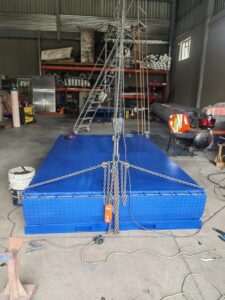
Loading dock levellers are one of the most important components in any warehouse or logistics facility. They create a safe and stable bridge between a warehouse floor and a truck bed, allowing forklifts and pallet jacks to move goods efficiently. Without a properly functioning dock leveller, operations slow down, safety risks increase and product damage becomes more likely.
For South African warehouses, choosing the right dock leveller is critical. Businesses in Johannesburg and across Sub Saharan Africa operate in demanding environments where efficiency, durability and cost control are essential.
The two most common types of dock levellers are hydraulic and mechanical systems. Each has its own advantages, maintenance requirements and cost considerations. In this guide, we will explore the differences in detail so you can decide which solution is best for your warehouse.
What Is a Dock Leveller
A dock leveller is a platform installed at a loading bay that compensates for the height difference between a truck and the warehouse floor. Since truck heights vary, a leveller adjusts up or down to create a smooth transition for material handling equipment.
Modern warehouses depend on dock levellers to maintain productivity and safety. A poorly selected system can result in downtime, injuries and higher long term repair costs.
Understanding Hydraulic Dock Levellers
Hydraulic dock levellers operate using a hydraulic power system. With the push of a button, hydraulic cylinders raise and lower the platform smoothly. The lip extends automatically to rest securely on the truck bed.
How Hydraulic Dock Levellers Work
The system uses hydraulic fluid pressure to lift the deck. Once raised, the lip extends outward. When the truck departs, the system returns to its stored position automatically.
This automation reduces physical effort and allows for faster loading cycles.
Benefits of Hydraulic Dock Levellers
Improved safety
Hydraulic systems offer controlled movement, reducing sudden drops or unexpected platform shifts. This lowers the risk of forklift accidents and operator injuries.
Ease of use
Push button operation makes them simple to operate. Staff training is minimal and the system performs consistently.
Higher durability
Hydraulic systems generally have fewer exposed mechanical stress components compared to spring loaded systems.
Reduced operational downtime
Because operation is smooth and consistent, loading and unloading processes are faster.
Ideal for high traffic warehouses
Facilities handling frequent truck movements benefit greatly from hydraulic systems due to efficiency and reliability.
Maintenance Requirements
Hydraulic systems require regular inspection of hoses, seals and fluid levels. While maintenance is straightforward, ignoring hydraulic leaks can lead to performance issues.
Understanding Mechanical Dock Levellers
Mechanical dock levellers use a spring tension system instead of hydraulic power. The operator pulls a chain to release the platform, which rises using stored spring energy. The lip is positioned manually.
How Mechanical Dock Levellers Work
Large tension springs are mounted within the dock structure. When activated, these springs lift the platform. The operator guides the lip into position before lowering the deck onto the truck bed.
Benefits of Mechanical Dock Levellers
Lower initial cost
Mechanical systems are typically less expensive to purchase and install.
No electrical power required
They can operate without electricity, which may benefit smaller facilities.
Simple design
Fewer electronic components mean less reliance on power systems.
Suitable for low traffic warehouses
Businesses with limited daily truck movements may find mechanical systems sufficient.
Maintenance Requirements
Spring systems require regular adjustment. Springs are under high tension and can wear out over time. If not maintained properly, they may become unsafe.
Mechanical systems often require more physical effort from operators and can lead to faster wear if heavily used.
Key Differences Between Hydraulic and Mechanical Dock Levellers
1 Safety
Hydraulic systems provide smoother controlled movement. Mechanical systems rely on spring tension which can sometimes cause sudden motion if not maintained properly.
For busy South African warehouses prioritising safety compliance, hydraulic systems often offer greater protection.
2 Operational Efficiency
Hydraulic levellers allow faster loading times. Push button operation improves workflow and reduces strain on workers.
Mechanical systems are slower and require manual effort.
3 Maintenance Costs
Mechanical systems may have lower upfront costs but often require more frequent spring adjustments and replacements.
Hydraulic systems require fluid and seal checks but generally offer longer service intervals.
4 Installation Cost
Mechanical dock levellers are usually more affordable initially.
Hydraulic dock levellers have a higher upfront investment but deliver long term efficiency benefits.
5 Suitability for High Volume Operations
Hydraulic systems are ideal for large distribution centres and industrial warehouses in Johannesburg and across Sub Saharan Africa.
Mechanical systems are better suited for smaller operations with limited loading activity.
Cost Comparison in South Africa
In South Africa, pricing depends on size, load capacity and installation complexity.
Mechanical dock levellers are generally more budget friendly at installation stage.
Hydraulic dock levellers require greater capital investment but often provide lower total cost of ownership over time due to efficiency gains and reduced labour strain.
Warehouses handling heavy loads and multiple trucks per day typically recover hydraulic investment costs through improved productivity.
Climate Considerations for South African Warehouses
South African climates vary from hot inland temperatures to humid coastal regions. Hydraulic systems are well suited for high temperature environments provided fluid maintenance is consistent.
Mechanical springs can be affected by rust or corrosion in humid conditions if not properly protected.
Choosing a durable system that matches your regional climate is essential for longevity.
Which Dock Leveller Is Best for Your Warehouse
The answer depends on your operational demands.
Choose hydraulic dock levellers if:
You operate a high volume warehouse
You prioritise safety and efficiency
You want minimal physical effort for operators
You aim to reduce long term downtime
Choose mechanical dock levellers if:
You have a smaller warehouse
You operate with limited truck traffic
You need a lower upfront investment
You do not require automated systems
Long Term Return on Investment
Hydraulic dock levellers often provide better long term value in busy logistics environments. Reduced loading times mean more trucks processed per day. Improved safety reduces injury related costs. Lower strain on equipment decreases repair frequency.
Mechanical systems may appear economical initially but could lead to higher operational strain in demanding environments.
The Importance of Professional Installation and Maintenance
Regardless of system type, professional installation is essential. Incorrect alignment or poor pit preparation can lead to premature failure.
Routine inspections ensure:
Structural integrity
Proper lip function
Hydraulic performance
Spring tension safety
Compliance with safety regulations
Warehouses in Johannesburg and across Sub Saharan Africa benefit from partnering with experienced dock equipment specialists for ongoing service support.
Final Verdict Hydraulic or Mechanical
For most modern South African warehouses, hydraulic dock levellers offer superior safety, efficiency and durability. While the initial investment is higher, the operational advantages typically outweigh the cost difference.
Mechanical dock levellers remain a practical solution for smaller facilities with lighter usage demands.
The right decision ultimately depends on your budget, traffic volume, safety priorities and long term operational goals.
Conclusion
Dock levellers play a critical role in warehouse productivity and safety. Understanding the differences between hydraulic and mechanical systems allows business owners and facility managers to make informed decisions.
If your warehouse operates in a high demand environment where efficiency and reliability are critical, hydraulic dock levellers are often the best investment. For smaller scale operations with moderate usage, mechanical systems can still deliver reliable performance.
Selecting the correct dock leveller ensures smoother logistics operations, improved safety standards and long term cost control for your South African warehouse.