
How Do Loading Dock Seals Improve Energy Efficiency?
Loading dock seals are far more than simple pieces of equipment attached to the edge of a loading bay. They’re critical components that directly impact energy efficiency, workplace safety, and long-term operational costs. In large distribution centers, cold storage warehouses, and even smaller manufacturing facilities, the loading dock is one of the most vulnerable points of the building envelope. Every time a truck docks to load or unload, there’s a risk of air exchange—conditioned air escaping and outside air rushing in.
This might seem minor at first, but when you consider hundreds of dockings a week, the energy loss becomes staggering. That’s where loading dock seals step in. By creating a tight, protective barrier, they minimize the infiltration of outdoor air, help HVAC systems run more efficiently, and ultimately save companies thousands in energy costs annually.
In this article, we’ll dive deep into what loading dock seals are, how they work, their role in improving energy efficiency, and why investing in the right dock sealing solution can make or break a facility’s long-term sustainability goals.
What Are Loading Dock Seals?
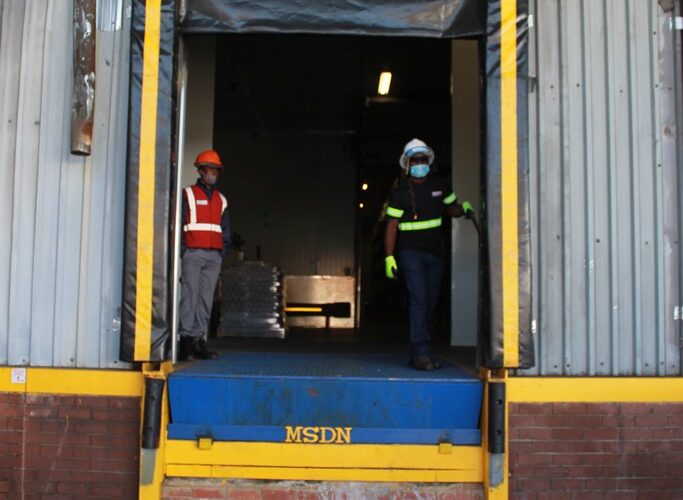
At their core, loading dock seals are specialized barriers designed to close the gap between a facility’s dock door and the body of a trailer. They compress against the vehicle when it reverses into the dock, forming a snug, insulated seal that keeps outside elements where they belong—outside.
A typical dock seal is made of:
Durable foam pads that compress tightly against the trailer.
Weather-resistant fabric covers that stand up to abrasion, moisture, and UV exposure.
Customizable dimensions to accommodate different truck sizes and door configurations.
Some warehouses prefer traditional foam dock seals for their simplicity and reliability, while others opt for inflatable dock seals that expand around the trailer, providing near-total air blockage. Inflatable seals are particularly useful in high-volume facilities handling various truck sizes and shapes.
But dock seals are not just about temperature control—they also block dust, fumes, insects, and pests from sneaking into the building. In industries such as food storage, pharmaceuticals, and healthcare logistics, this is absolutely critical. By protecting both products and people, dock seals play a role in quality control, hygiene, and workplace safety.
How Do Loading Dock Seals Work?

The science behind loading dock seals is simple but effective. When a trailer backs into a dock equipped with seals, the foam or inflatable cushions compress against the sides and top of the trailer. This creates a nearly airtight enclosure around the dock opening.
Here’s the step-by-step process:
Truck Alignment: As the trailer approaches the dock, it aligns with the door opening.
Seal Compression: The dock seals compress, filling gaps around the trailer edges.
Barrier Creation: Once in place, they prevent conditioned indoor air (heated or cooled) from leaking out, while simultaneously blocking unconditioned outdoor air from flowing in.
Ongoing Protection: As goods are loaded or unloaded, the seal continues working silently in the background—protecting the facility from energy loss and contamination.
This mechanism is particularly valuable for facilities that handle temperature-sensitive goods. For example, in a cold storage environment, even a brief exposure to warm outside air can cause temperature fluctuations that spoil perishable items. By keeping the interior climate stable, loading dock seals help preserve product quality and integrity.
Energy Efficiency Benefits of Loading Dock Seals
The most important advantage of loading dock seals is their ability to improve energy efficiency. Here’s how they make such a big difference:
1. Reduced Heating and Cooling Costs
Every gap around a dock door is a potential energy drain. In winter, warm indoor air escapes while cold air enters; in summer, cooled air leaks out while hot air infiltrates. Dock seals dramatically reduce this exchange, allowing HVAC systems to run less frequently and with less strain.
2. Lower HVAC Workload
When outside air infiltration is minimized, HVAC systems don’t need to “fight” against constant temperature fluctuations. This reduces wear and tear, extends the lifespan of costly equipment, and cuts down on maintenance expenses.
3. Major Savings in Cold Storage
For refrigerated and frozen storage facilities, the difference is even more dramatic. A single poorly sealed dock can allow massive amounts of warm air to infiltrate, forcing cooling systems to consume significantly more energy. According to industry reports, a well-sealed dock can reduce refrigeration costs by up to 30% annually.
4. Sustainability and Carbon Footprint Reduction
Improved energy efficiency directly translates into reduced carbon emissions. For businesses working toward corporate sustainability goals, dock seals are a simple but highly effective investment. They also help facilities stay compliant with energy regulations and environmental standards.
5. Employee Comfort and Productivity
Even in non-refrigerated warehouses, maintaining a stable temperature creates a better work environment. Employees are more productive when they’re not battling uncomfortable drafts of cold or hot air each time a truck docks. Comfortable workers are also less prone to fatigue and mistakes, contributing to overall safety and efficiency.
Here’s the step-by-step process:
Truck Alignment: As the trailer approaches the dock, it aligns with the door opening.
Seal Compression: The dock seals compress, filling gaps around the trailer edges.
Barrier Creation: Once in place, they prevent conditioned indoor air (heated or cooled) from leaking out, while simultaneously blocking unconditioned outdoor air from flowing in.
Ongoing Protection: As goods are loaded or unloaded, the seal continues working silently in the background—protecting the facility from energy loss and contamination.
This mechanism is particularly valuable for facilities that handle temperature-sensitive goods. For example, in a cold storage environment, even a brief exposure to warm outside air can cause temperature fluctuations that spoil perishable items. By keeping the interior climate stable, loading dock seals help preserve product quality and integrity.

Additional Benefits of Loading Dock Seals
While energy savings are the headline benefit, loading dock seals also offer a host of other advantages:
Pest Prevention: Seals block small openings that would otherwise allow rodents, insects, or birds to enter. This is vital for food and pharmaceutical operations.
Noise Reduction: By sealing the gap between indoors and outdoors, they reduce external noise, creating a quieter and less stressful workplace.
Weather Protection: Seals keep out rain, snow, and wind, which protects products, equipment, and employees.
Improved Safety: By reducing the chances of water or debris entering the dock, seals lower the risk of slips and accidents.
Choosing the Right Loading Dock Seals
Not all loading dock seals are created equal. Choosing the right solution requires considering:
Vehicle Variety: Facilities with diverse truck sizes may benefit more from inflatable seals.
Traffic Volume: High-traffic docks require seals with higher durability.
Climate Conditions: Extreme weather may demand reinforced, UV-resistant, or insulated seals.
Budget vs. ROI: While inflatable seals are more expensive upfront, they may deliver greater long-term savings in energy costs.
Many businesses partner with specialists such as MSDN Group, who design and install dock seals tailored to specific operational needs. With professional guidance, facilities can strike the right balance between cost, performance, and durability.
Wrapping Up: Why Loading Dock Seals Are Essential for Energy Efficiency
To sum it up, loading dock seals improve energy efficiency by preventing air leakage, stabilizing indoor climates, and reducing the strain on HVAC systems. They save money, improve comfort, protect goods, and contribute to long-term sustainability goals.
For any facility—whether it’s a cold storage warehouse, a manufacturing plant, or a distribution hub—loading dock seals are not just accessories. They’re investments in efficiency, safety, and cost control.
If you’re looking to cut energy bills, improve employee comfort, and extend the lifespan of your HVAC system, installing the right dock sealing solution is one of the smartest moves you can make.